
Receiver Room
Give a faint change a visible place
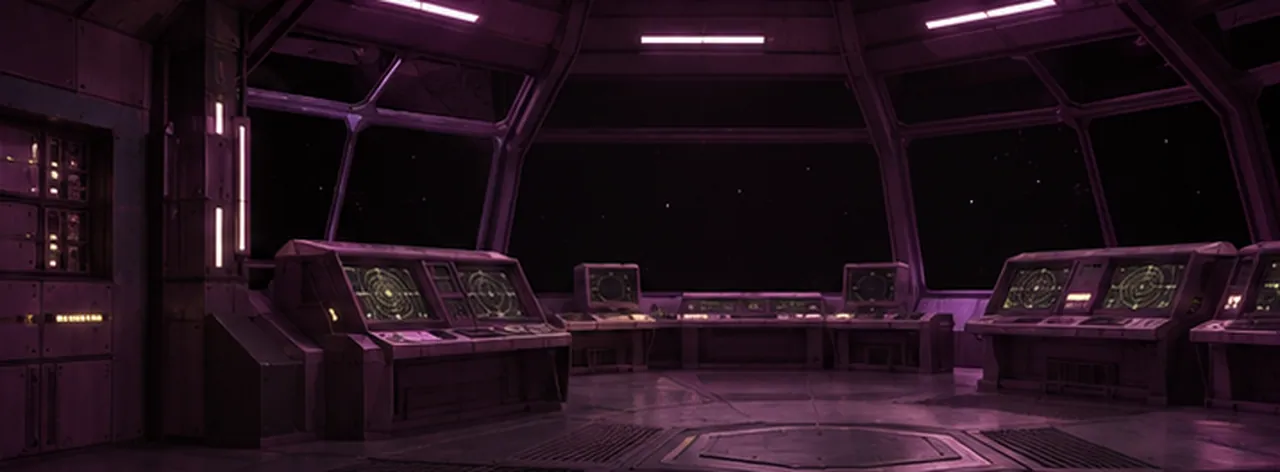
Voidurn Studios develops original games about finding a clear signal in a quiet view. Begin at the Receiver Room with a picture of the wider orbit and another scene beside an instrument. One helps place the receiving position. The other helps show which edge first appeared when a faint change arrived. The clues should connect while leaving space for darkness around them.
Divide work around one comparison
An environment artist lays out the large pieces of an orbital scene. A systems role organizes when the visible pulses appear and which settings can be changed. An interaction designer checks how a person can hold a view while turning a device. A reviewer follows the presence of a familiar edge as the light moves. The team can compare separate observations about the same watch before adding a second case.
Use silence to ask a different question
The Last Colony Call keeps a nearby opening in view while trying to recognize a small arrival. Beacon After the Long Dark uses a much longer view and asks the keeper to remember one position through a quiet interval. Both prototypes need a place to compare with the earlier scene. The difference is how much of it stays in view before the keeper is ready to make another move.
Retain the earlier view after a correction
When a person changes an angle, we look for a way to show one reference they already know. This might be a narrow connector on the receiver or some part of a distant support. A clearer second view can then be related to an earlier uncertain one. It is more useful than drawing the correct angle in front of a picture that no longer has room for a comparison.
Add a record for the next watch
Deep Space Log keeps several small decisions beside the case they changed. Send a Signal Note with the scene or relay name if a pulse looked like something else from one angle. A recognizable reference on the housing or the dark side of the orbit helps the room find the same picture again.