
An Echo from the Shell
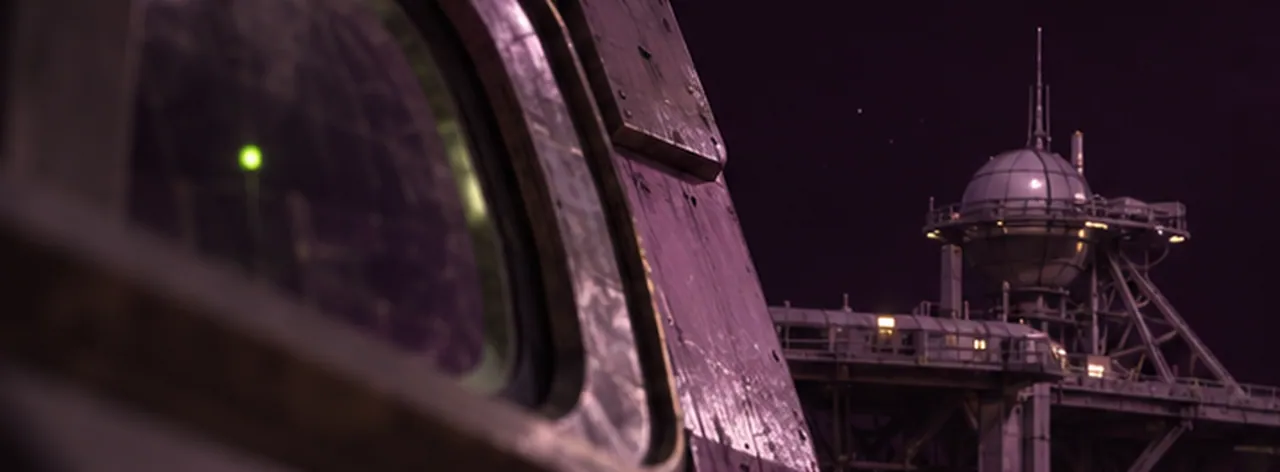
Follow a weak bright point on the housing
The receiver’s outer shell carries a reflective panel near the rim. A green dot appears on that panel after the first arrival. It is easy to follow when staring at the edge of the housing and much harder to connect with the actual signal. In an older drawing the spot looked like it lay inside the receiver. There was little in its movement to show that it appeared on a different surface.
Give the panel a line that stays still
A curved seam separates the panel from the rest of the receiver. In the current picture the reflected patch can travel along the seam without crossing the outer edge. The farther source has a shorter brighter mark that continues toward the inner opening. Comparing the two against a fixed line gives the keeper evidence that one of them belongs to the panel. The next time the angle changes, the weaker light follows the outer surface.
Watch the small delay from the other side
Moving beside the rim brings a little of the far relay back into the heading of the view. The echo begins after the first bright patch leaves the narrow opening. Its motion can look smooth through the nearest view. The other head stays in a similar place against a dark part of the orbit and can show another separate arrival. Two Pulses Out of Step examines what a similar delay looks like when the light is actually coming from a different relay.
Leave a shape behind the echo
The curve behind the light becomes dark just before the reflection reaches it. That gap helps to keep the new bright spot readable without making it look like a second switch. In The Last Colony Call the keeper can repeat the watch from a wide view and identify the same curve. A bright patch changes position on its surface while a deeper signal remains in a narrower place toward the middle of the aperture.
Make the initial signal useful when both are visible
An earlier draft exaggerated the glow around the true arrival and made it hard to see the reflected detail. A Threshold below the Noise explains how the brighter portion was placed near a quiet area of the receiver. The echo uses the opposite side and a farther edge. Both light changes can be seen at certain angles but keep separate shapes in the camera long enough to compare their position.
Move a remembered point with the camera
After a small turn the nearer reflected light slides across a broader piece of metal. The dark section of the housing occupies more of the picture. The keeper can use the seam to find the original position and compare when the thin shape on the panel leaves it. A wider angle from above shows where the bright surface is relative to the far relay. That view gives the local glow a place in the movement instead of making it look arbitrary.
Test an echo before the whole receiver is visible
In a later scene the first part of the display shows only the side of the housing. The echo may be visible before the original signal can be seen from that position. Hold a way back to the earlier angle in that drawing. If there is too little context, preserve the narrow corner of the shell. It can give the viewer the direction toward the receiver opening while the small light continues to move around the rim.
Link the two ways of returning
Deep Space Log marks this as a check on the source rather than a completed alignment. The current image keeps the shell and one far object together from a low angle. Someone can follow the next bright patch and return to see whether the edge that carried it remains the same. Comparing those references gives the reflected light a recognizable part to play in the original case.